Chapter four - article four
Protecting
the Panther



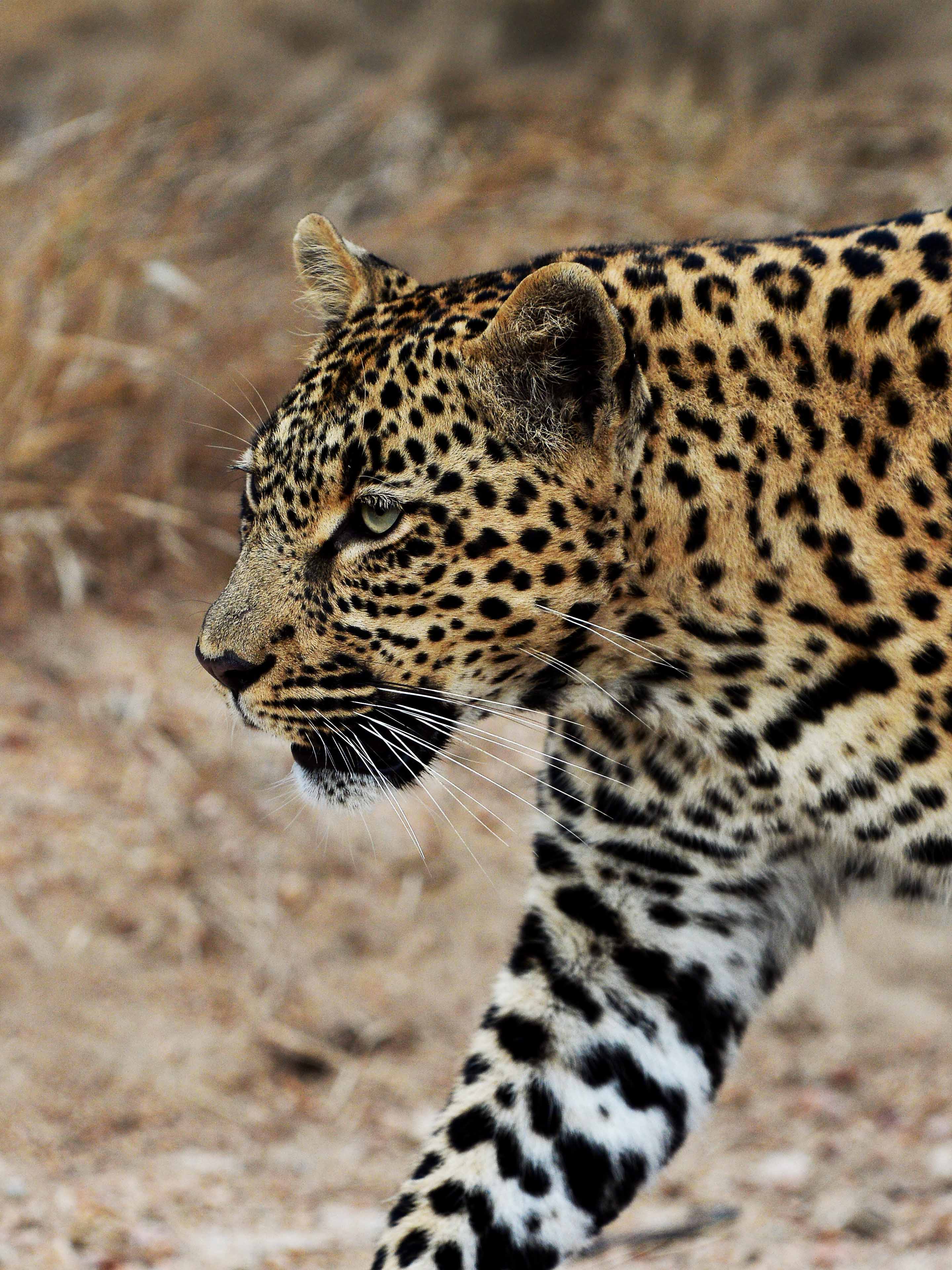

A long-term partner of Cartier for Nature, Panthera takes a community-led approach to protecting leopards, colloquially known as panthers, in South Africa and Zambia.
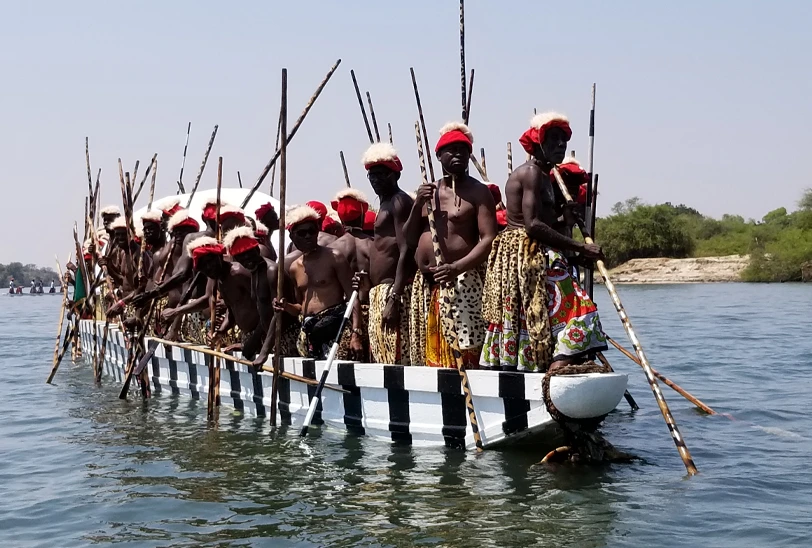
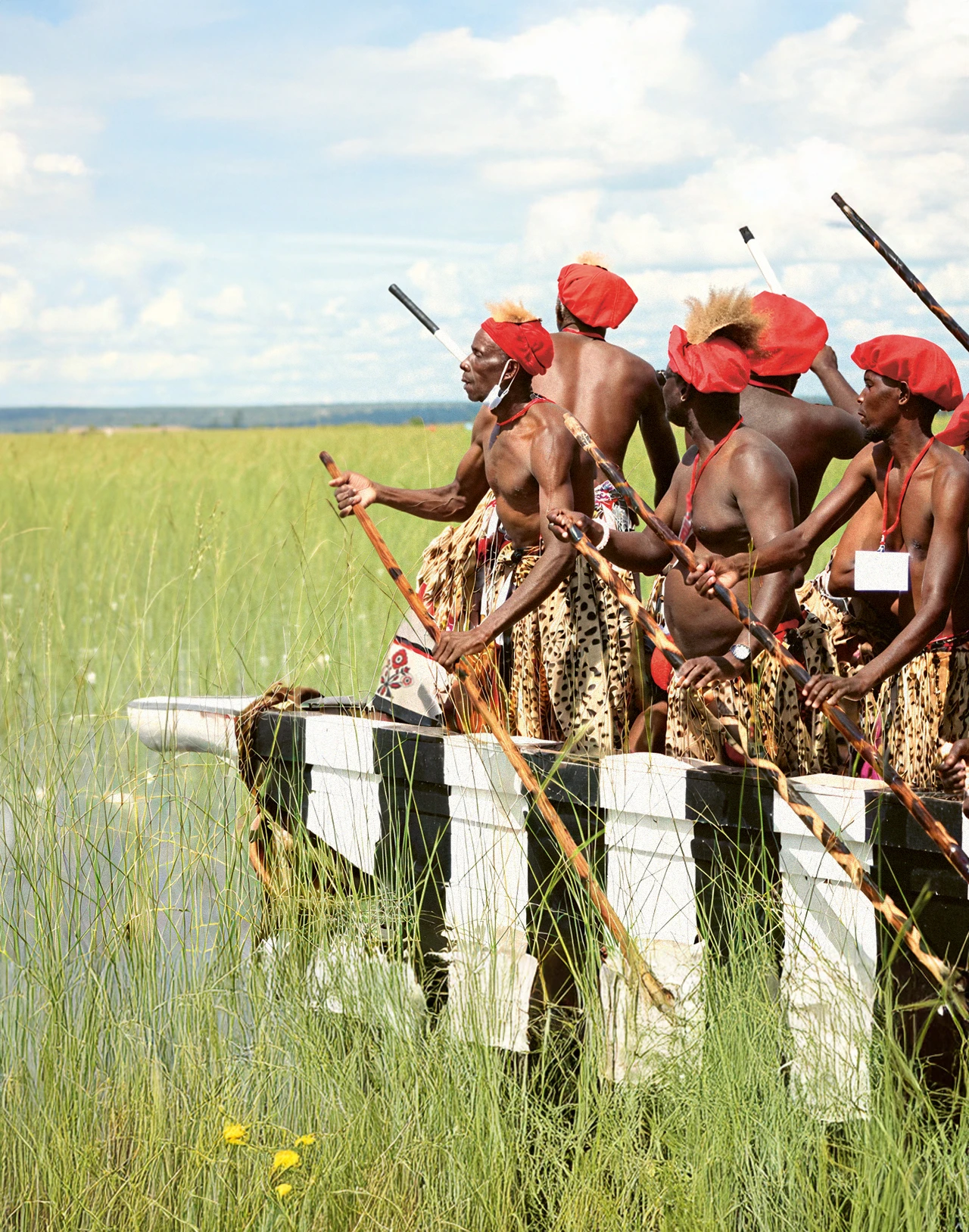
By offering synthetic alternatives to leopard skin cultural garments, they protect wildlife populations, preserve local traditions and help communities grow their income. The organization spoke exclusively to 365 to explain their success, struggles, and hopes for the future.
What inspired you to create Panthera’s Furs For Life Project?
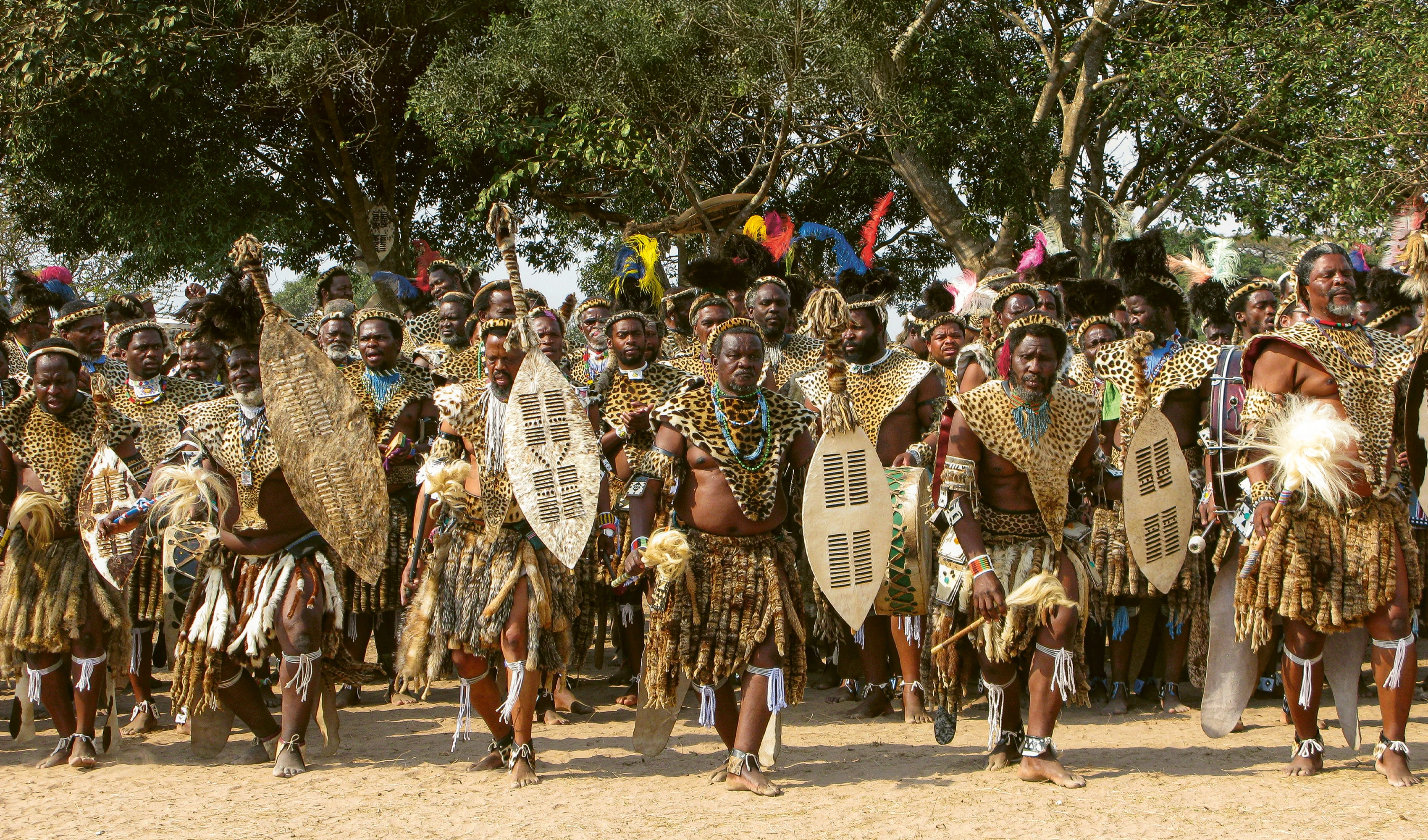
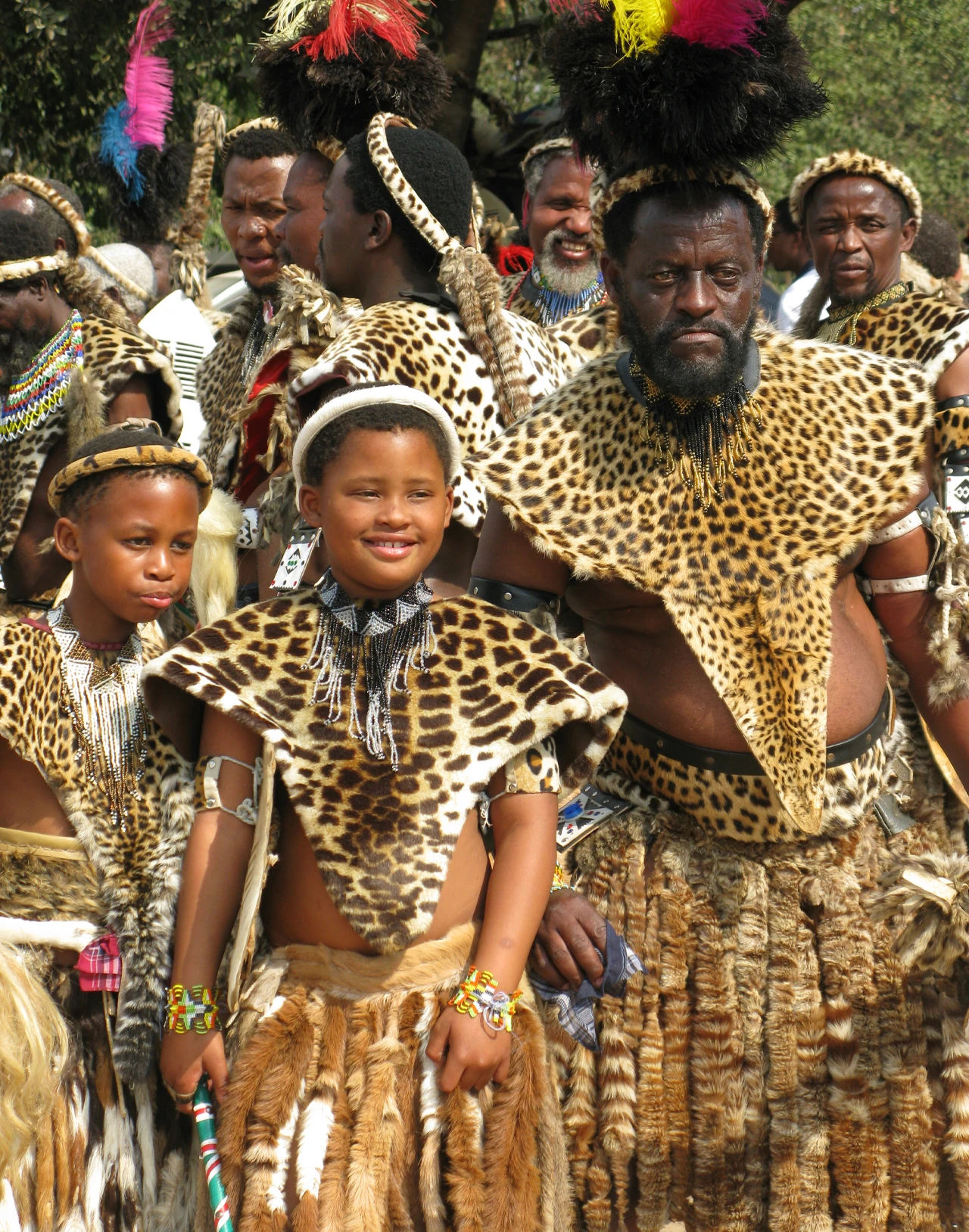
We first realized the enormity of the threat of illegally traded skins when we were working in Northern KwaZulu-Natal in South Africa, focusing on the leopard hunting industry. Our team was invited to a gathering of the Shembe, a Nazareth Baptist Church faction, where we saw large quantities of authentic leopard fur being worn by dancers, and some skins even offered for sale. This triggered the journey that ultimately led to the Furs for Life program and the creation of synthetic Heritage Furs.
How do you approach communities, ensuring respect for their traditions?
A key step is to first introduce the Heritage Furs to the leadership of a tribe, culture or religion, sharing positive feedback of other groups who already participate in the program and securing their support before approaching the broader community. We do not seek to financially benefit from the manufacture or sale of the Heritage Furs, but rather want to support local traders and tailors who are already supplying the illegal furs. These strategies have already been used with the Shembe, Lozi and African Congregational Church, where 40 tailors have been trained.
What was the process for developing the synthetic skins?
First, we photographed confiscated authentic leopard skins, which were then digitized to the pixel requirements for the jacquard knitting machines used to produce the fur-like fabric. The digitization process alone took several weeks, as we had to find a way for the machines to process complex patterns of more than two meters in length and reduce the myriad colors in a genuine leopard skin down to a maximum of six while retaining a “genuine” look.
Has this program made an impact on women’s empowerment in these communities?
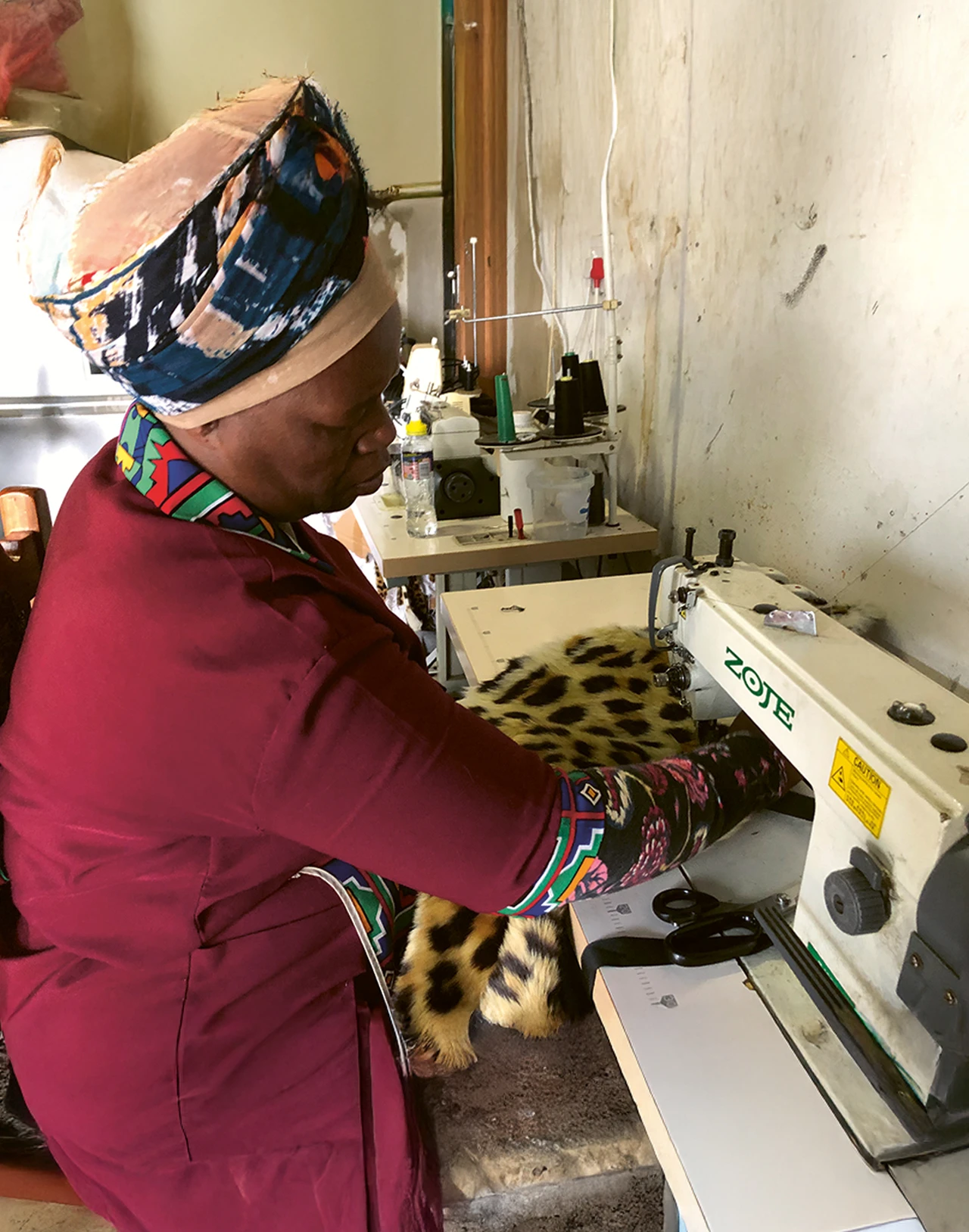
Traditionally, men are the ones hand-stitching the authentic cat garments, as this is part of a high-risk illegal poaching, tailoring, trading and smuggling industry. With the introduction of the legal Heritage Furs, which are softer, a sewing machine-driven tailoring process was required. We were able to empower local women to learn and practice this craft, which can also be used to create traditional clothing and school uniforms worn by the community.
What impact has this had on leopard populations?
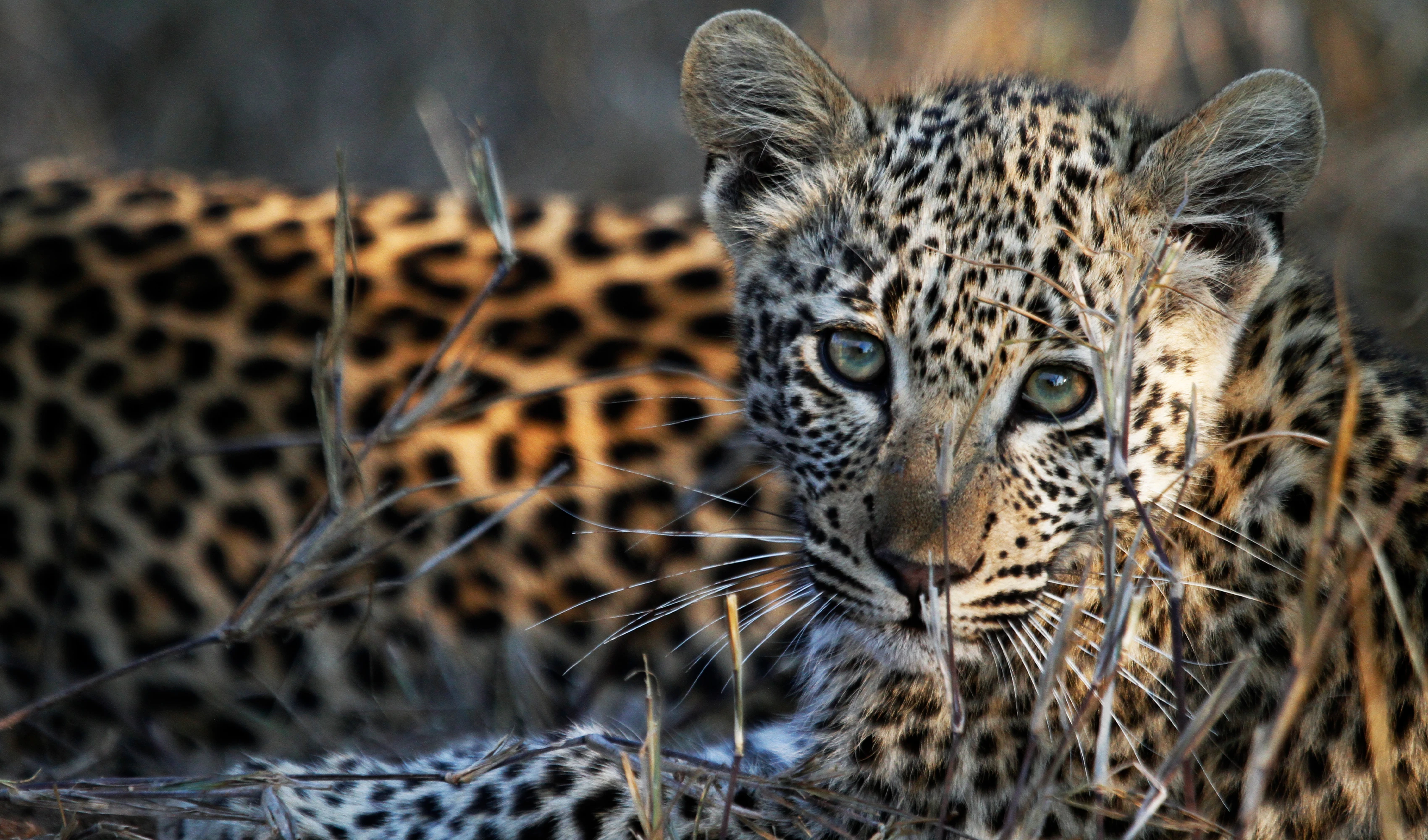
Panthera invests heavily in the ongoing monitoring of leopard populations in order to assess the impact of our various conservation interventions, including Furs for Life. In Zambia, Kafue National Park and the surrounding Game Management Areas have been frequently cited as a source of leopard skins. Panthera initiated monitoring of several sites in this area in 2018, the same year that we started distributing Heritage Furs to the Lozi people of western Zambia. We have subsequently seen substantial increases in leopard population density at almost all of these monitoring sites, with leopard densities more than doubling from their 2018 levels.
We are currently seeking funding to launch a forensic genetics project that will build up a regional genetic database covering most of southern Africa. This will allow us to determine the origin of illegally traded leopard skins, which can in turn help to better focus the conservation efforts of Panthera.
Next article